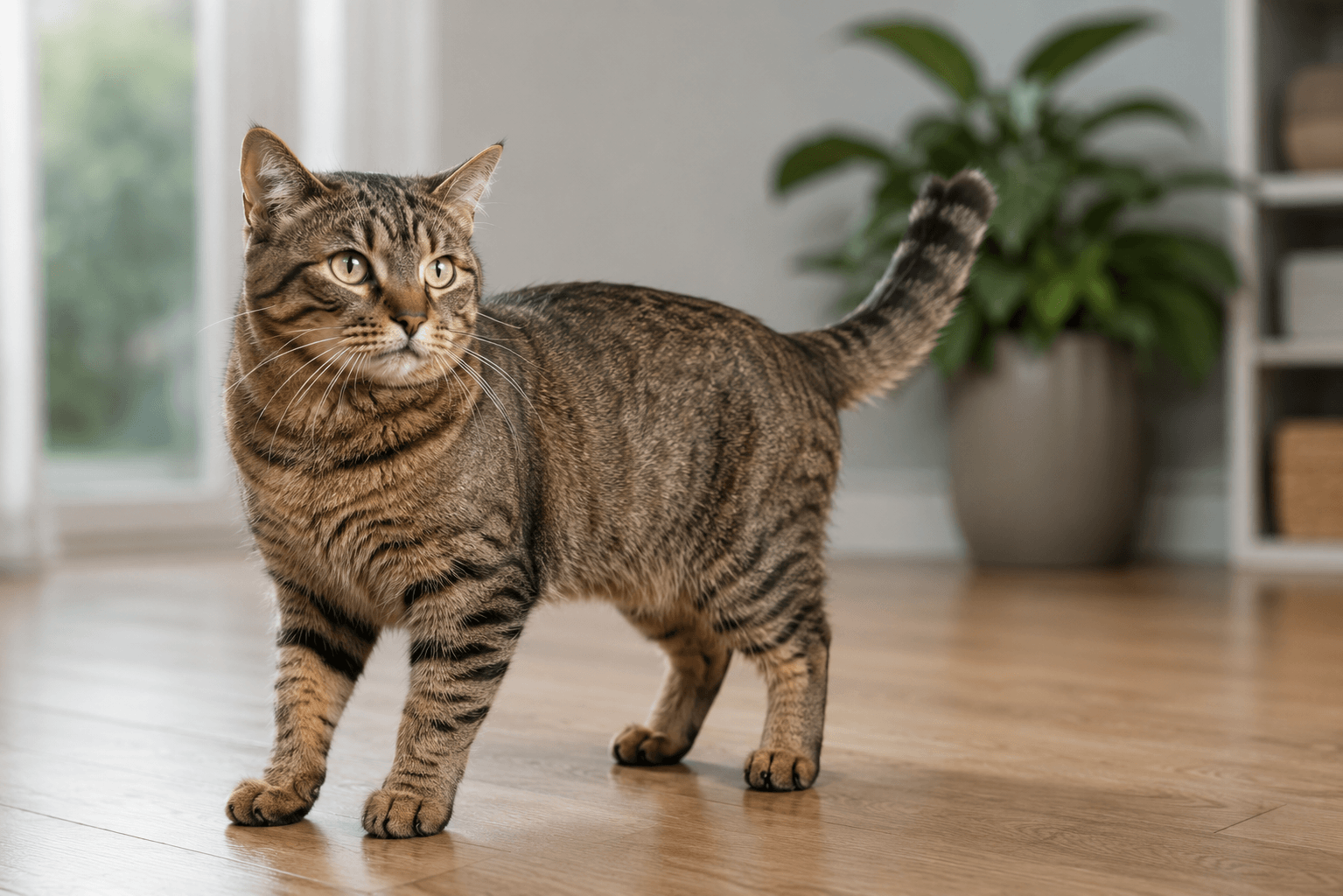
Unneutered male cats often display behavioral and physiological characteristics that many owners only discover after bringing a pet home. Here are some important facts to consider before deciding against neutering.
1. Unneutered Male Cats Are More Likely to Mark Their Territory
Under the influence of reproductive hormones, male cats may begin urine marking with a strong, distinctive odor. This is a natural behavior associated with territorial communication and mate-seeking.
Marking may occur on:
Marking may occur on:
- Furniture;
- Walls;
- Doors;
- Clothing;
- Various areas throughout the home.
2. They Are More Likely to Attempt to Escape the Home
During periods of sexual activity, a male cat may actively seek opportunities to go outdoors in search of a female.
As a result, the risk of the following increases:
As a result, the risk of the following increases:
- Injuries;
- Falls from windows or balconies;
- Fights with other animals;
- Infectious diseases;
- Becoming lost.
3. Hormone-Related Behavioral Changes Are Common
Unneutered male cats often experience periods of increased behavioral activity associated with fluctuations in reproductive hormone levels.
Owners may observe:
Owners may observe:
- Increased vocalization;
- Restlessness;
- Reduced behavioral stability;
- Changes in eating habits during periods of sexual activity.
4. Increased Frequency of Fights and Injuries
Unneutered male cats are more likely to engage in territorial conflicts with other males, especially during periods of reproductive activity.
These encounters may result in:
These encounters may result in:
- Bite wounds and scratches;
- Abscess formation;
- Wound infections;
- Stress and a decline in overall well-being.
5. A Higher Likelihood of Hormone-Related Disorders and Conditions
Unneutered male cats maintain full reproductive hormonal activity throughout life, which may be associated with an increased risk of certain reproductive-system disorders.
These include:
These include:
- Inflammatory and congestive conditions affecting the accessory sex glands;
- Hormone-driven behavioral changes that may negatively affect quality of life;
- Disorders associated with prolonged reproductive-system stimulation as the animal ages.